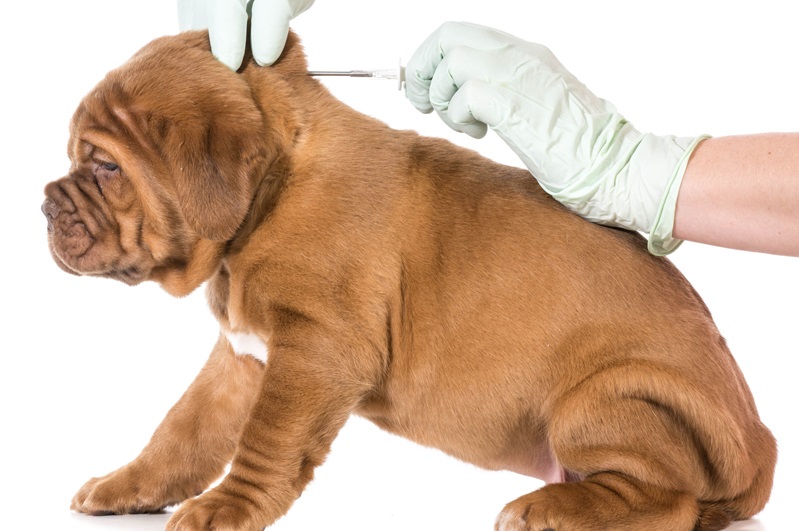
Dog microchipping is one of the most effective and reliable ways to ensure pets can be reunited with their owners if they become lost or stolen. A microchip is a tiny electronic device, about the size of a grain of rice, that is implanted just under a dog’s skin, usually between the shoulder blades. The procedure is quick, safe, and similar to a routine vaccination. Once inserted, the microchip provides a permanent form of identification that cannot be easily removed or lost like collars or tags.
Each microchip contains a unique identification number that can be read using a special scanner. When a lost dog is found and taken to a veterinarian, animal shelter, or rescue organization, staff can scan the microchip and retrieve the identification number. This number is then used to access the owner’s contact details stored in an animal chip database. Keeping this information updated is essential, as outdated phone numbers or addresses can delay or prevent a successful reunion.
One of the main advantages of microchipping is its reliability. Unlike external identification methods, microchips remain with the dog for life. Collars can fall off or be removed, but a microchip provides a permanent backup. This is especially important for dogs that travel frequently, escape from yards, or live in busy urban areas. Microchipping is also beneficial in emergency situations, such as natural disasters, when pets may become separated from their families.
Many countries and regions now encourage or even require dog microchipping as part of responsible pet ownership. Animal welfare organizations strongly recommend it because studies show that microchipped dogs are significantly more likely to be returned to their owners compared to dogs without identification. Microchipping also helps reduce the number of animals that remain in shelters long-term or are misidentified.
It is important to understand that a microchip is not a GPS tracking device. It does not allow owners to monitor their dog’s location in real time. Instead, it serves as a secure identification method that works when the dog is found and scanned. For owners who want additional security, GPS collars can be used alongside microchipping for real-time tracking.
The implantation process is quick and typically causes minimal discomfort for the dog. Most pets do not require anesthesia, and recovery is immediate. After implantation, owners should register their dog’s microchip number with a trusted animal chip database and update the information whenever there are changes to phone numbers or addresses. Some databases also allow secondary contacts, which can be useful if the primary owner is unavailable.
In conclusion, dog microchipping is a simple, affordable, and highly effective way to protect pets and improve the chances of a happy reunion if they go missing. By combining microchipping with responsible ownership practices—such as regular veterinary care, proper training, and updated contact information—owners can provide an extra layer of safety for their beloved companions. Investing in a microchip is a small step that can make a life-changing difference for both dogs and their families.